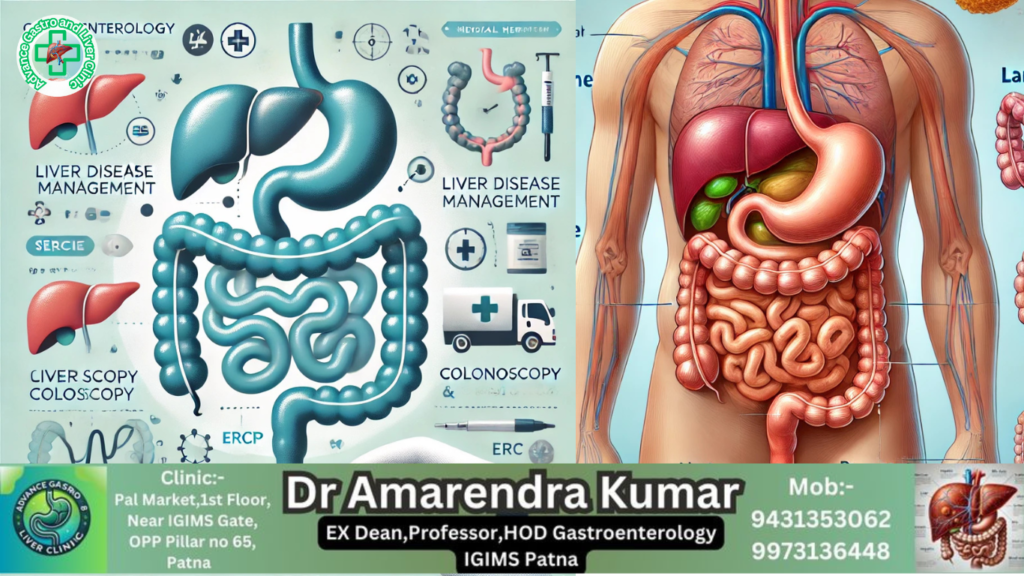
The Importance of the Gastroenterology System in the Human Body
The human body is a marvel of complexity, with various systems working together to maintain health and well-being. Among these, the gastroenterology system plays a crucial role in ensuring that our body functions optimally. This system, which includes the digestive tract, liver, pancreas, and intestines, is responsible for breaking down food, absorbing nutrients, and eliminating waste. Without a healthy gastroenterology system, our bodies would struggle to function properly.
What is Gastroenterology?
Gastroenterology is the branch of medicine that focuses on the study, diagnosis, and treatment of disorders related to the digestive system. It encompasses a wide range of conditions that affect the gastrointestinal (GI) tract, including the esophagus, stomach, small intestine, large intestine (colon), liver, gallbladder, and pancreas. Gastroenterologists are specialized doctors who are trained to diagnose and treat diseases related to this vital system.
The Digestive Process and Its Role in the Body
The digestive process begins as soon as food enters the mouth. The teeth break down food, and saliva starts the process of digestion. The food then travels down the esophagus to the stomach, where gastric juices continue breaking it down. In the small intestine, the nutrients from the food are absorbed into the bloodstream, allowing the body to use them for energy, growth, and repair. The remaining waste moves into the large intestine, where water and salts are absorbed, and the waste is eventually excreted from the body.
This complex process is essential for providing the body with the nutrients it needs to function. Without a healthy gastroenterology system, the body would not be able to absorb these nutrients, leading to malnutrition and various health issues.
Key Functions of the Gastroenterology System
-
Nutrient Absorption: The primary role of the gastroenterology system is to absorb essential nutrients like carbohydrates, proteins, fats, vitamins, and minerals from food. These nutrients fuel every cell in the body and are necessary for maintaining energy levels, tissue repair, and immune function.
-
Digestion: The breakdown of food into smaller, absorbable molecules is critical for the body to extract nutrients. Without proper digestion, food remains undigested, and nutrients cannot be absorbed, leading to malnutrition.
-
Waste Elimination: The digestive system is also responsible for the removal of waste from the body. After absorbing nutrients, the system disposes of the remaining indigestible substances, which are eliminated as feces.
-
Immune Defense: The gastrointestinal tract contains a large portion of the body’s immune system. It acts as a barrier against harmful pathogens, preventing them from entering the bloodstream and causing infections.
Common Gastrointestinal Disorders
The gastrointestinal system is prone to various disorders that can significantly affect a person’s quality of life. Some of the most common conditions include:
- Acid Reflux (GERD): A chronic condition where stomach acid flows back into the esophagus, causing heartburn and discomfort.
- Irritable Bowel Syndrome (IBS): A functional GI disorder that causes symptoms like abdominal pain, bloating, and changes in bowel habits.
- Celiac Disease: An autoimmune disorder where the ingestion of gluten damages the small intestine lining and impairs nutrient absorption.
- Crohn’s Disease and Ulcerative Colitis: Types of inflammatory bowel disease (IBD) that cause inflammation and damage to the intestines.
- Liver Diseases: Conditions such as fatty liver disease, cirrhosis, and hepatitis affect the liver’s ability to process nutrients and detoxify the body.
Why Gastroenterology Is Vital for Health
Maintaining the health of your digestive system is essential for overall well-being. A well-functioning gastroenterology system not only ensures the proper absorption of nutrients but also supports the body’s immune system, detoxification processes, and waste elimination. Disorders affecting the digestive system can lead to significant health complications, including nutrient deficiencies, dehydration, weight loss, and a weakened immune system.
Regular check-ups with a gastroenterologist can help detect digestive issues early, ensuring prompt treatment and management. If you experience persistent symptoms like abdominal pain, bloating, changes in bowel habits, or unexplained weight loss, it’s important to consult a specialist.
Conclusion
The gastroenterology system is far more than just a means of processing food; it’s a vital system that supports overall health by ensuring nutrient absorption, waste elimination, and immune defense. Taking care of your digestive health is crucial to maintaining your quality of life. By understanding the importance of this system and addressing any issues that arise, you can ensure that your body remains healthy, nourished, and functioning optimally.
If you’re experiencing gastrointestinal discomfort or any symptoms that concern you, don’t hesitate to consult a gastroenterologist. Early diagnosis and intervention can make a world of difference in managing digestive health.